
Okay, so check this out—I’ve been poking around Solana wallets for a few years now. Wow! The whole landscape moves fast. At first glance you might think all browser extensions are the same, but that’s not true. My instinct said they were interchangeable, and then reality hit me pretty quick.
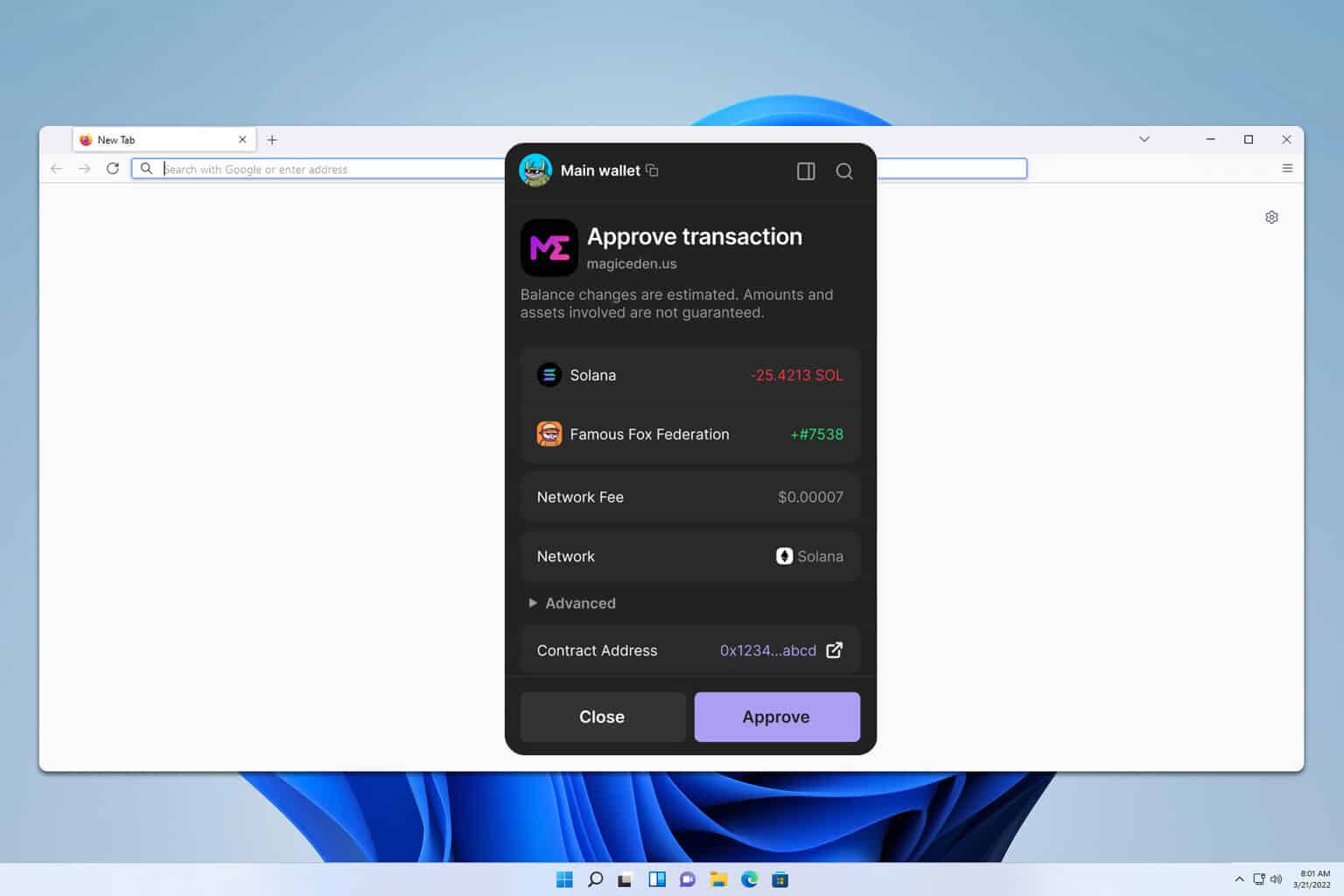
Whoa! Security is the obvious headline. Medium sentence here to explain: browser extensions live in a different threat model than mobile apps. You connect right from your tab, which is convenient and risky at the same time. Longer thought follows: because extensions inject or expose interfaces to web pages, a compromised page or malicious script can try to trick you into signing something if you’re not careful, so choosing a wallet with strong UI cues, approval flows, and a history of responsible disclosures matters a lot.
Here’s the thing. Short. Most people want a sol wallet for speed and low fees. Medium: Solana’s performance is great for NFT drops and in-browser games because transactions confirm quickly and costs are tiny. Longer: but those benefits only pay off if your wallet integrates cleanly with the ecosystem, shows clear transaction details, and offers ways to manage multiple accounts and tokens without confusing you or prompting mistakes.
Choosing between convenience and custody
I’m biased, but I prefer wallets that give you clear custody choices. Really? Yes. You can keep the keys locally in the extension or link a hardware device. Most users pick the local seed by default because it’s easy. Initially I thought ease-of-use should always win, but then realized that for collectors with real value in their nft wallet it’s worth the extra step to use hardware or a secure seed backup method.
Here’s a quick practical checklist. Short. One: Does it show exact fees and program calls? Two: Can you create and manage multiple accounts? Three: Is there a clear path to connect your ledger or other hardware? Longer: wallets that bury program-level details or only show a cryptic “Approve” button make accidental approvals more likely, and that part bugs me because it’s preventable with better UX and guidance.
Okay, so check this out—wallets also differ in how they handle token discovery. Some auto-detect SPL tokens and show balances, others require you to add them manually. I’m not 100% sure which approach is “best”, though actually, wait—let me rephrase that: auto-detection is great for convenience but can clutter the UI; manual adds are safer but less friendly for new users.
One practical tip: use a wallet that supports “trusted sites” or granular permissions. Short. That way you can isolate high-risk activity to a sandbox account. Medium: open your main collector account only when you absolutely must, and use a separate account for minting or interacting with unknown dApps. Longer thought: by compartmentalizing accounts you reduce single-point-of-failure risk—if one tab gets phished, the thief only gets access to a throwaway account, which is a real-world safeguard I learned the hard way (oh, and by the way, that sting still stings…).
I’ve tested several browser extension wallets and one standout is the phantom wallet experience for Solana. Seriously? Yeah. It balances UX and control in a way that fits both newcomers and power users. If you want to try it, you can get the phantom wallet and evaluate how it handles approvals, token management, and NFT previews.
Short. One more quick note on NFT workflows. Most nft wallet flows involve signing metadata-approval transactions and marketplace-specific listing approvals. Medium: some wallets show the full “program” information; others strip it down to friendly names to avoid scaring users. Long: but when a wallet strips too much, power users lose the ability to verify exactly what they’re signing, which creates a tension between approachability and transparency that every wallet team wrestles with.
Something felt off about default settings in many extensions. Short. For example, auto-connect toggles and one-click approvals are dangerous. Medium: always toggle off auto-connect and enable explicit approvals for each site. Longer: small settings changes like that compound over time—turning them off takes five seconds but can prevent a catastrophic loss down the line, and yes, I know it’s annoying to click more, but it’s worth it.
On the topic of backups: nobody likes writing down a long seed phrase, but do it. Really. Some wallets offer encrypted cloud backups—convenient, but that adds another attack surface. Initially I thought cloud backups were the future, but then realized the trade-offs: you trade convenience for centralization and potential breach vectors. So decide based on what you value more: absolute offline control or quick recovery.
Short. What about interoperability? Medium: many Solana browser wallets support Wallet Adapter and web3 libraries, which makes dApp integration smooth. Longer: if you plan to hop between games, marketplaces, and DeFi apps, verify that the wallet supports the common adapters and that the extension is maintained frequently—unmaintained extensions break quickly as dApps evolve.
Common questions
Can I use my Solana wallet for both NFTs and tokens?
Yes. A good solana wallet will show both SPL tokens and NFTs, let you manage collections, and support sending/receiving across accounts. Use separate accounts for risky actions when possible.
Is a browser extension safe enough?
Short answer: mostly, if you harden it. Medium: disable auto-connect, keep small balances in hot accounts, use hardware for big holdings. Longer: extensions are a trade-off—convenient for everyday use but they require sensible hygiene and attention to permissions to stay safe.
How do I avoid fake wallet extensions?
Only install from official sources, verify the publisher, read recent reviews, and double-check the extension ID if available. If a wallet’s website links to an install, make sure the domain is correct and not a slight misspelling. Somethin’ as small as a character swap can cost you dearly.