
Whoa!
This whole DeFi security thing feels like the Wild West sometimes. You click a popup, approve a signature, and poof — funds moved. My instinct said don’t trust every site, but that advice is too vague for newcomers. So I want to show practical steps, browser-extension-specific tips, and how Rabby can make a difference while explaining the tradeoffs you should expect as you harden your setup.
Initially I thought a hardware wallet alone solved most problems, but then reality set in. Actually, wait—let me rephrase that: hardware helps, yes, but soft spots remain in extension wallets and user workflows. On one hand you get convenience; on the other hand you open attack surfaces like compromised RPCs or malicious signatures. Here’s what bugs me about the ecosystem: UX patterns nudge people to approve broad permissions before they understand the consequences. Seriously?
Start with permissions management — it’s basic, but surprisingly underused. Check which sites can access your accounts and revoke approvals you no longer need. Use approval-listening tools and periodically audit token allowances instead of letting approvals linger forever, because those tiny allowances pile up and create risk over time. My gut feeling says most users skip this step because it seems technical, and yeah, somethin’ about the UI makes it feel scary. Longer thought: if an attacker gains the ability to transfer tokens via an existing approval, they don’t need to phish you for a private key — they exploit your complacency with on-chain permissions, and that is a big gap in user mental models.
Segregate accounts by purpose. Have one account for small daily trades and another cold account for savings or large positions. Rabby’s multi-account layout helps with this by making it simple to switch contexts, though it’s not a silver bullet because people will still mix accounts when rushing. On the analytical side, you should also isolate high-trust operations on separate browser profiles or use container tabs, which reduces cross-site contamination. Hmm…
Watch RPC and node choices. A dodgy RPC can inject phishing dialogs or replay transactions in weird ways, especially on custom networks. So prefer reputable RPCs, run your own node if feasible, or at least vet third-party providers and note that outages or misconfigurations can be exploited. I’m biased toward more technical control, but for many users, Rabby provides sane defaults and warnings that cut down on common mistakes. Really?
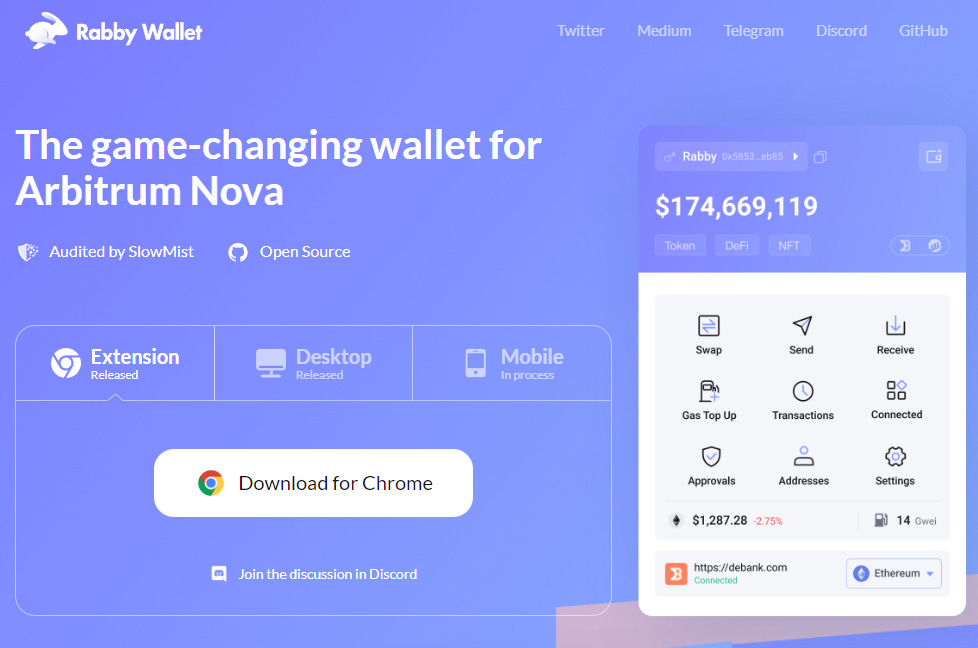
Practical steps and a safe place to start
If you want a smoother upgrade from basic wallets, try downloading Rabby and testing it with small amounts first; get it safely from here and verify the extension source before trusting it with real funds.
Treat signature requests like exit ramps — read them slowly. Don’t mechanically click ‘Sign’ because the UI is asking; instead parse who is requesting, what function you’re authorizing, and whether an EIP-712 typed request is present. Initially, seeing a ‘Sign’ button felt routine to me, but repeated exposure showed that signatures can be used to give long-lived approvals or to authenticate off-chain actions you didn’t intend to permit. I’ll be honest, that part bugs me — the average onboarding glosses over it, and so people sign away much more than they think, very very often. Keep your extension updated because maintainers patch subtle vector issues faster than you think.
Also write down your seed phrase offline and never paste it into a website, or else it’s game over. Oh, and by the way… use a password manager to store vault passwords if you must, but prefer hardware confirmations for high-value ops. There are tradeoffs: more security often costs convenience, and that’s a user-experience battle the industry still hasn’t won. So balance your threat model with how much time you’ll commit to monitoring and compartmentalizing.
FAQ
How is Rabby different from other extension wallets?
Rabby focuses on clearer approvals, multi-account workflows, and explicit warnings for risky RPCs and suspicious transactions, which helps reduce accidental over-approvals and risky habits.
What should I do if I think I got phished?
If you suspect phishing, immediately revoke approvals, move funds to a safe wallet, rotate any affected accounts, audit installed extensions, and reach out to community channels for advice and mitigation steps.